

For numerous homeowners, a manufactured home is a unique blend of comfort and convenience. Nevertheless, if your mobile home is beginning to seem unstable, it can quickly turn into a reason for stress and irritation. Whether house leveling are dealing with sticking doors, cracks near windows, or an unsettling sway as you walk through your living space, these indicators frequently suggest a significant issue: a home that is not level. Fortunately, leveling your mobile home is a manageable do-it-yourself project that will help regain stability and mental calm.
Knowing how to adjust your mobile home necessitates some understanding and several key tools, yet with the right method, you can confidently approach this project. In this detailed step-by-step tutorial, we will take you through all the information you require, from recognizing the telltale signs that indicate your home is unlevel to the tools and methods required for a successful leveling project. Whether dealing with a sloped lot or simply wish to ensure long-term stability, our professional advice will assist you in converting your mobile home from unstable to fabulous.
Grasping Mobile House Alignment
Adjusting a mobile home is a crucial caretaking task that guarantees the integrity and comfort of your living space. Over time, multiple factors such as soil erosion, drainage problems, and settling can cause a mobile home to become uneven. An uneven home can lead to a multitude of problems, including uneven floors, sticking doors, and even water system troubles. Therefore, recognizing the necessity of proper leveling is crucial for any mobile home owner.
The process of leveling involves modifying the height of your mobile home's foundation, which typically consists of concrete blocks, supports, or alternative support systems. Achieving proper level guarantees that the load of the home is uniformly distributed across its foundation, lessening stress on the structure. This not only improves your home's firmness but also increases the durability of its components, from the flooring to the plumbing.
To initiate, it's crucial to be mindful of the signs indicating that your mobile home may be uneven. Issues such as cracks in the walls, unlevel floors, or clear shifts in the home's position can serve as red flags. Routine maintenance checks will help you to identify potential problems early, enabling you to take preventive measures and prolong the life of your mobile home.
The Leveling Process: Comprehensive Guide
To start leveling your temporary home, you need to assess the current state of your home and site. Begin by looking for any clear signs of discrepancy, such as doors that stick, window gaps, or floors that slope. Use installing skirting on a mobile home measuring tool to locate areas that require modification. It's essential to gather the required tools and materials, including lifting jacks, wooden shims, and a water level for accuracy. Make sure your work area is uncluttered and proceeding.
Once you've identified the areas that need treatment, it's time to lift your mobile home. Position your jacks at designated points along the frame, ideally near the support blocks. Carefully lift the home until it attains the desired height. Use spacer blocks to fill any gaps created as the home is lifted, ensuring a sturdy platform. It's important to check your level after each adjustment to ensure the home is being aligned safely.
After achieving the correct level, it's necessary to stabilize the frame of your mobile home. This may entail re-tightening bolts and checking anchors to ensure stability. Once stabilized, check the support structures, making any essential repairs to prevent future settling. Finally, conduct a thorough inspection of the interior, looking for any signs of stress or issues, to guarantee that your mobile home is as safe and livable as possible.
Upkeep and Protection for Long-Term Durability
Maintaining the level of your mobile home is essential for ensuring its durability and operability. trailer house leveling professional should be a part of your annual home maintenance routine. Assess the level of your home at least twice a year, looking for signs of sinking or movement. Observing any changes early can help you address minor issues before they grow into significant concerns, saving you time and money in the long run.
Another key aspect of maintenance is monitoring the state of the soil around your home. Soil can widen and contract with water levels, particularly after heavy rain or during droughts. Installing drainage solutions, such as gutters and downspouts, can safeguard your foundation from excess water that can cause shifting. Additionally, landscaping techniques that guide water away from your mobile home will help to its stability.
Finally, ensure that the foundation remains intact by regularly checking for cracks or signs of wear. Reinforcing weak spots with additional supports or wedges may be required over time. By staying ahead and attentive to your mobile home’s requirements, you can avoid future leveling issues and maintain a secure, pleasant living environment for years to come.
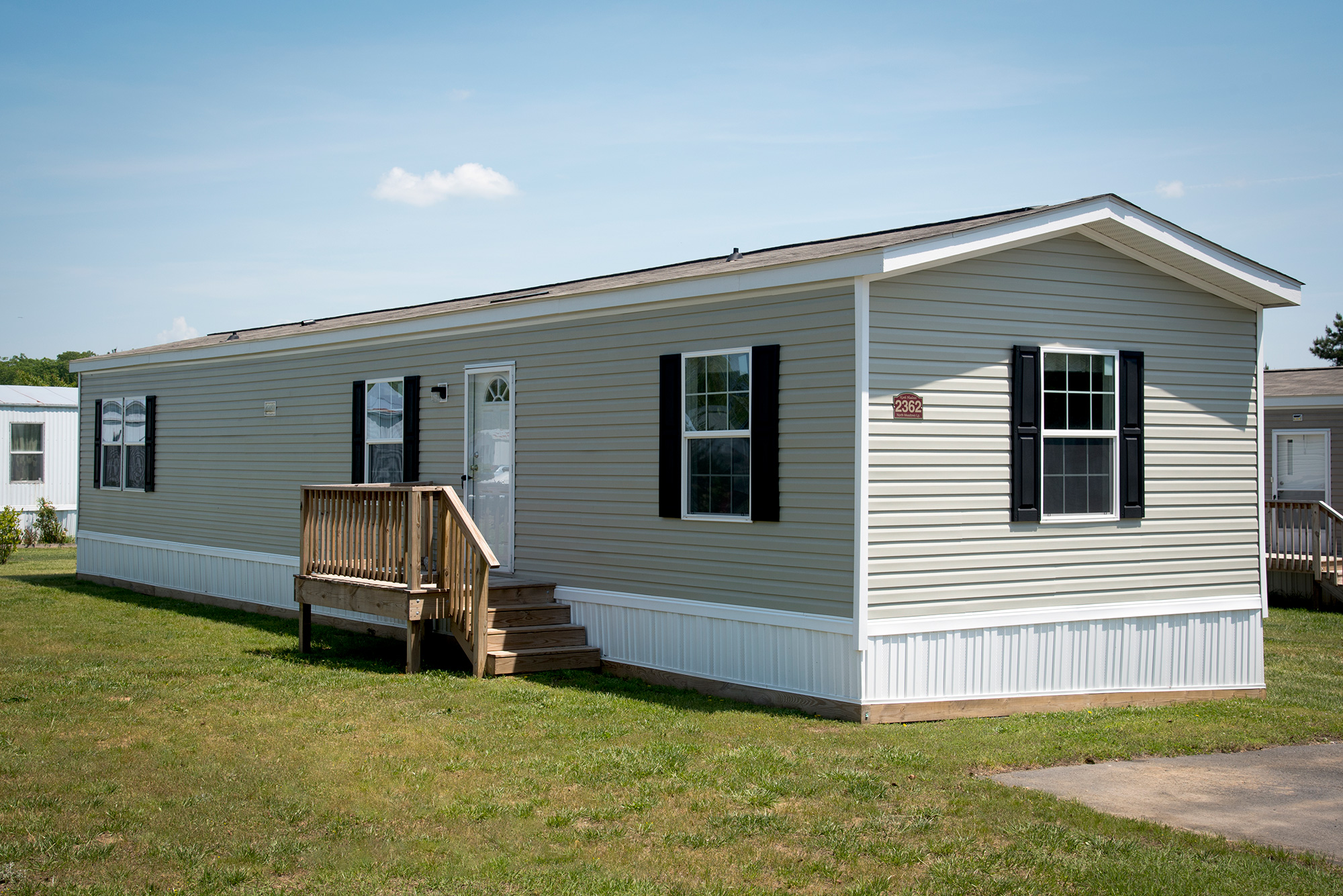
Lonestar Mobile Home Leveling & Skirting
276 County Rd 1700
Clifton, TX 76634
(254)266-5369