

Possessing a manufactured home can be a fulfilling experience, but it also comes with its own set of distinct issues. One of those obstacles is ensuring that your home remains level. An unlevel mobile home can lead to a host of problems, from small inconveniences like sticking doors and window cracks to significant structural problems that could affect your safety and comfort. Understanding how to straighten your mobile home properly is crucial for maintaining its integrity and longevity.
In this exhaustive guide, we will guide you through the complete leveling process, equipping you with the knowledge and tools you need to handle this project as a DIY project. No matter if you're dealing with minor adjustments or a major tilt, this guide will cover everything from the essential tools you need to check for level, to fixing uneven floors. By the end of this guide, you'll not only understand how to straighten your mobile home, but you'll also appreciate why it's so important and how to maintain that level for an extended period to come.
Grasping Modular House Leveling
Balancing a manufactured dwelling is a essential maintenance task that ensures the structural integrity integrity and convenience of your living space. Eventually, a mobile home can move due to numerous factors such as ground shifting, moisture changes, and seasonal climate variations. An unlevel dwelling can lead to major issues, including foundation problems, out of alignment doors and windows, and even plumbing problems. Understanding installing skirting on a mobile home of leveling will help you sustain the worth of your house and stop costly repairs down the road.
As a modular house is un level, it can undergo uneven weight distribution across its frame, leading to stress on the structure. This strain can cause appearance-related and functional issues like obstructed doors, fissures in walls, or complications with your utility systems. Consistently checking the level of your dwelling will permit you to identify these issues early and resolve them before they become critical.
The leveling process involves adjusting the home’s foundation, either using elements, columns, or shims. This process requires certain tools and a thorough understanding of your home’s current level status. By following appropriate techniques and instructions, you can stabilize your manufactured home efficiently, making sure it remains safe and pleasant for many years to come.
Important Tools and Preparations
Before commencing the leveling process, it is important to assemble the right tools and supplies to ensure a seamless process. trailer house leveling professional include a tape measure, level, and a set of wrenches for making adjustments to the frame. Additionally, consider having a water gauge or laser gauge handy for precise accuracy. Shims, wooden blocks, or lifting jacks will provide the necessary support for lifting the mobile home as you work towards achieving an uniform surface. Make sure to have safety equipment such as protective gloves and safety glasses to protect yourself during the process.
Once you have gathered your tools, focus on preparing your mobile home and the adjacent site. Clear away any debris, overgrown vegetation, or obstructions that may prevent access to the support piers or supports of your home. Inspect the foundation closely and confirm that all supports are intact and free of damage. If you find any vulnerabilities or damage, fix these issues before continuing. Removing any obstacles will not only accelerate the leveling process but also ensure you have a safe working environment.
Lastly, it is crucial to verify the meteorological conditions before starting the leveling project. Ideally, select a day where the ground is not wet and firm, as wet or frozen soil can affect your ability to properly level the mobile home. Ensuring the weather is suitable will help avoid complications, particularly if you are working on a sloped lot or managing freeze-thaw cycles that may have already disturbed the level of your home. With the right tools and preparations in position, you are prepared to start the leveling process.
Signs and Remedies for Imbalanced Heights
One of the most frequent signs that your mobile home may be uneven is the presence of doors that stick or do not close properly. This can be an indication that your home has settled unevenly, causing misalignments in door frames. Additionally, windows may also exhibit similar issues, leading to drafts or difficulty in operating and closing. If you begin to notice these problems, it's crucial to assess the underlying issue and take action to adjust your home.
Another clear sign is the appearance of cracks in the walls or foundation. These cracks can develop over time due to changes in soil stability or inadequate support. If you find cracks in your drywall or gaps around window frames, it is essential to check your mobile home's alignment. Ignoring these warning signs can lead to serious structural problems in the future, making swift action imperative to address any underlying leveling issues.
In cases where you notice uneven floors, such as inclined or bouncy sections, it's crucial to take immediate action. One solution is to use jacks and shims to raise the low points of your mobile home. Altering the support system or reinforcing vulnerable areas may also be required. Conducting regular checks for level and resolving issues as they arise can prevent serious problems and ensure the safety and stability of your home.
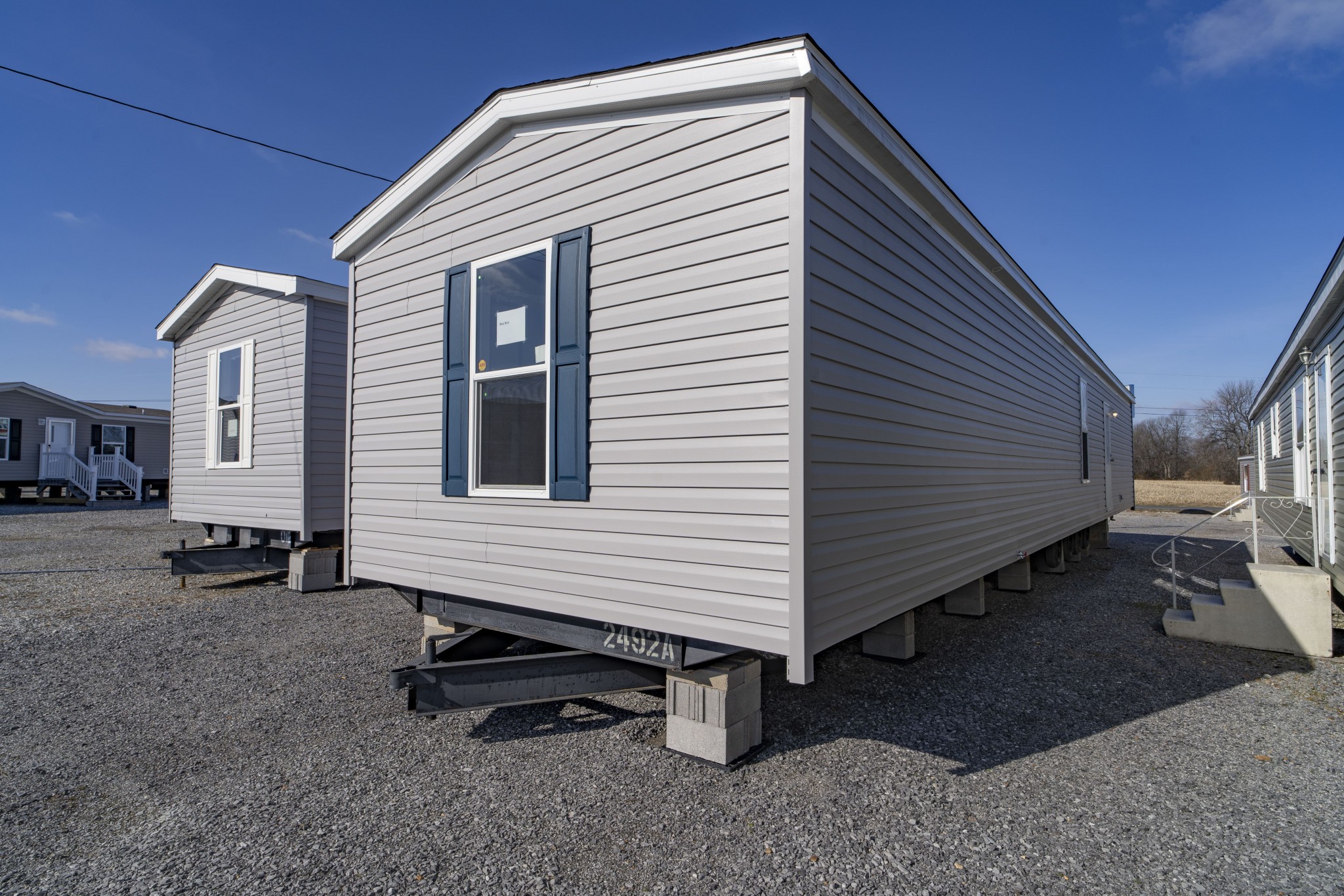
Lonestar Mobile Home Leveling & Skirting
276 County Rd 1700
Clifton, TX 76634
(254)266-5369